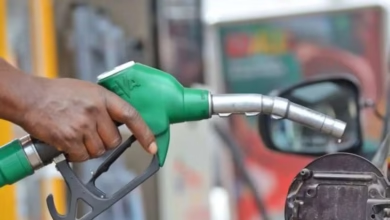

Ghana’s motorists may see some relief at the pumps from 16 November, as a sharp decline in global crude oil prices points to lower petrol costs in the upcoming pricing window, the Chamber of Petroleum Consumers (COPEC) has said.

Speaking on Citi FM’s Eyewitness News on Thursday, 5 November, COPEC Executive Secretary Duncan Amoah noted that crude prices have fallen by 12–14% over the past 48 hours. “Since the U.S. mid-term elections, we’ve seen consistent declines on the international market,” he explained. “If that trend holds, we expect petrol prices to reduce in the second pricing window of November.”
When will prices change?
The National Petroleum Authority (NPA) sets pricing windows that run from the 1st–15th and 16th–end of each month. The 16 November window uses average crude prices from 27 October to 11 November — meaning the recent price drop falls within this calculation period. However, refined product prices take about 6–7 days to track crude movements, so any price fall after 11 November would only reflect in the December 1–15 window.
Pricing is fully deregulated, so individual Oil Marketing Companies set their own rates, but they may not sell below the NPA’s published floor price. The NPA has not yet released the floor price for the 16 November window. Any new price must be filed with the NPA by noon on Friday, 13 November.
Current prices
In the ongoing window (1–15 November), Star Oil adjusted pump prices to GH¢16.38/litre for petrol and GH¢18.45/litre for diesel. The NPA floor stands at GH¢15.39 for petrol and GH¢17.41 for diesel — the floor excludes traders’ margins and premiums, hence slight differences from station to station.
Diesel: smaller drop, levy debate continues
Consumers should not expect diesel prices to fall as sharply as petrol, Amoah cautioned. Higher demand across Europe, Asia and the Americas during colder months tends to keep diesel prices more stable.
One key cost has already been removed: the GH¢1.00 Energy Sector Shortfall and Debt Repayment Levy on diesel is suspended from 1 October to 30 November, confirmed NPA CEO Godwin Kudzo Tameklo. However, the Minority in Parliament is pushing for the levy to be scrapped entirely, not just paused.
Collins Adomako-Mensah, Deputy Ranking Member of the Energy Committee, argued: “Suspension simply means it will come back. That GH¢1 should be abolished permanently.” He warned that basing levies on volatile external factors leaves consumers exposed to future shocks.
Tameklo also revealed that the government has so far absorbed over GH¢2 billion to shield consumers from the full impact of rising global fuel costs. Improved foreign exchange access — supported by the Bank of Ghana and GoldBod — plus stable pricing from local refineries should help keep costs manageable, he added.
⚠️ Risks remain
Amoah warned the relief is not guaranteed. “We are not completely out of the woods yet,” he said. Tensions in the Strait of Hormuz could quickly reverse crude’s downward trend. He also urged marketers and bulk distributors to pass any savings on to consumers directly.
Other cost pressures persist: shipping delays and demurrage have added as much as 60 pesewas per litre this year, according to the Centre for Environmental Management and Sustainable Energy.